

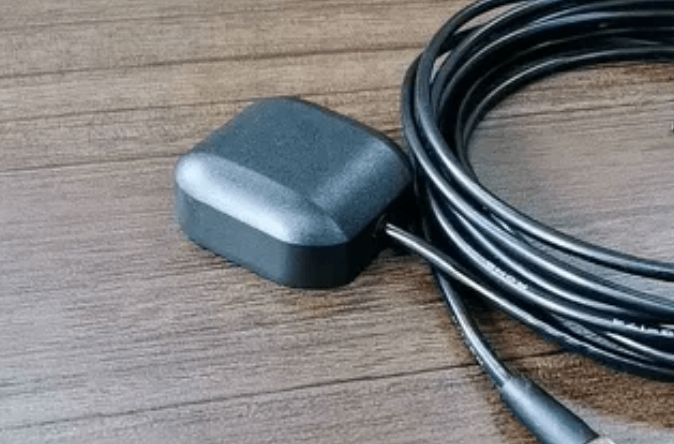
For reliable vehicle tracking, a high-quality vehicle GPS antenna is essential. The antenna is the core component that ensures your GPS tracker communicates effectively with satellites, providing accurate location data for navigation, fleet management, or anti-theft solutions.
Whether you use a GPS signal booster to enhance reception in challenging environments or a vehicle tracking antenna as part of a professional fleet system, choosing the right model is critical. This guide explores features, benefits, installation tips, and maintenance practices for optimizing your car GPS upgrade setup.
Why a Vehicle GPS Antenna Matters
The GPS antenna plays a vital role in ensuring your tracker receives a clear signal. Without a reliable antenna, even the most advanced GPS device may underperform, causing inaccurate location data or delayed updates.
Key Benefits
- Improved Accuracy: Ensures precise location readings, essential for navigation and fleet tracking.
- Faster Signal Acquisition: Quickly locks onto satellite signals even in dense urban areas or wooded regions.
- Enhanced Vehicle Security: Reliable tracking helps locate vehicles during theft attempts.
- Supports Advanced GPS Functions: Enables features like real-time monitoring, geofencing, and route optimization.
By upgrading your GPS system with a high-performance antenna, you enhance both safety and operational efficiency.
Features to Look for in a Vehicle GPS Antenna
1. High Sensitivity
Look for antennas with high sensitivity to weak signals. These are better at maintaining connectivity in areas with tall buildings, tunnels, or dense tree cover.
2. Durable Build
A good vehicle GPS antenna should withstand vibration, extreme temperatures, and moisture. Long-term durability ensures consistent performance in all driving conditions.
3. Magnetic or Screw Mount Options
Depending on your vehicle, choose an antenna with a magnetic mount for temporary setups or a screw mount for permanent installations. Proper mounting impacts signal reception.
4. Compatibility with GPS Systems
Ensure the antenna is compatible with your GPS tracker, whether it’s a fleet device, anti-theft system, or personal navigation unit. Check manufacturer specifications for supported models.
5. Cable Length and Quality
Longer, high-quality cables allow flexible placement while minimizing signal loss. Position the antenna where it has an unobstructed view of the sky for optimal satellite reception.
Benefits of Upgrading Your Vehicle GPS Antenna
Improved Tracking Accuracy
A reliable GPS antenna reduces errors in real-time vehicle tracking. Whether for fleet management or personal use, precise location data is critical for navigation and security.
Enhanced Safety and Security
Accurate GPS readings enable quick response in case of emergencies or theft. Many vehicle tracking antennas work in conjunction with anti-theft systems to monitor your vehicle’s location 24/7.
Optimized Fleet Management
For businesses managing multiple vehicles, a high-performance GPS antenna improves efficiency by providing accurate routes, monitoring driving behaviour, and reducing downtime.
Better Performance in Challenging Environments
Dense urban areas, tunnels, and forests often block GPS signals. Upgraded antennas with higher sensitivity ensure your system continues to function effectively in these conditions.
Cost-Effective Upgrade
Improving your GPS system with a dedicated antenna is often more affordable than purchasing a new tracker. It maximizes the performance of your existing setup without significant investment.
Installation Tips
Installing a vehicle GPS antenna (LINKED TO BLOG 16) correctly ensures optimal performance:
- Choose the Right Location: Mount the antenna where it has a clear view of the sky, away from metal obstructions.
- Secure the Antenna: Use a magnetic or screw mount to prevent movement during driving.
- Connect to the Tracker: Follow the manufacturer’s instructions to connect the antenna to your GPS system.
- Route the Cable Carefully: Avoid sharp bends or pinch points to maintain signal quality.
- Test the System: Verify signal strength and tracking accuracy after installation.
Proper installation is crucial to getting the most from your GPS signal booster or tracking device.
Maintenance and Care
- Clean the Antenna: Remove dirt and debris to maintain clear satellite reception.
- Inspect for Damage: Check for wear or fraying in the cable and connector.
- Ensure Secure Mounting: Recheck magnetic or screw mounts periodically to prevent movement.
- Update Firmware: Keep your GPS tracker software up to date to optimize performance.
Regular maintenance ensures long-term reliability and accurate tracking for your vehicle tracking antenna.
Recommended Vehicle GPS Antennas
Some reliable options include:
- Venom Autos High-Performance GPS Antenna: Designed for fleet and personal vehicles with superior signal reception.
- Magnetic Mount GPS Antenna: Easy to install and reposition for temporary use.
- Long Cable GPS Antenna: Ideal for flexible mounting options with minimal signal loss.
Choosing a high-quality antenna ensures consistent, reliable performance for all your GPS tracking needs.
Conclusion
A vehicle GPS antenna is a critical component of any effective GPS system. With features such as high sensitivity, durable build, and proper mounting, it enhances tracking accuracy, vehicle safety, and operational efficiency.
Whether upgrading your existing tracker or installing a new system, investing in a high-quality antenna ensures optimal performance and peace of mind. With proper installation, maintenance, and usage, your car GPS upgrade will provide reliable, real-time tracking, improve fleet management, and enhance overall vehicle security.
Choosing the right GPS signal booster and antenna setup is a smart move for anyone looking to maximize the performance of their vehicle tracking system in 2026 and beyond.