

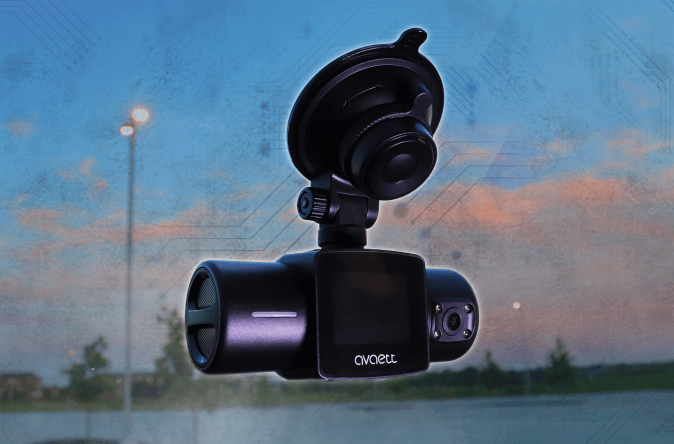
Dash cameras have become an essential part of modern vehicle security. Among the options available, a 1080p HD dash camera offers a balance of high-quality recording and affordability. Whether for personal use, fleet vehicles, or insurance protection, these cameras provide clear evidence in case of accidents and help improve overall car camera safety.
In this guide, we will explore the features of Full HD dash cams, their benefits, how to choose the best model, and practical tips for installation and maintenance. With the right dash cam, you can ensure reliable recording without compromising on video quality or storage efficiency.
Why Choose a 1080p HD Dash Camera
A 1080p HD dash cam is ideal for drivers who want high-definition recording without the large storage demands of 2K or 4K cameras. Key reasons to invest in one include:
- Clear image quality: Captures detailed footage, making license plates and road signs visible.
- Affordable storage requirements: Less demanding on SD cards compared to higher resolutions.
- Reliable evidence: Essential for insurance claims and traffic incident reporting.
- Versatile compatibility: Works well in most vehicles, including older models with standard mounting setups.
Compared to ultra-high-resolution cameras, 1080p dash cams provide excellent visual clarity with easier setup and lower cost for memory cards and data management.
Key Features to Look For
When selecting a car camera 1080p, consider these important features:
1. Wide-Angle Lens
A wide-angle lens captures multiple lanes of traffic and reduces blind spots, ensuring more comprehensive coverage of road incidents.
2. Night Vision
High-quality 1080p HD dash cameras often include infrared or enhanced low-light recording, providing clear video during night driving or in poor weather conditions.
3. Loop Recording
Loop recording allows continuous capture by overwriting the oldest files, which is especially important for long drives or daily commuting.
4. G-Sensor Technology
The G-sensor automatically locks footage during impacts or sudden movements, preventing important clips from being overwritten.
5. Parking Mode
Some models include parking monitoring features, recording motion or impacts while your vehicle is parked. This increases security even when you are away from the car.
6. Compact and Discreet Design
Look for dash cams with a compact design that does not obstruct the driver’s view but still provides excellent recording angles.
Benefits of Using a 1080p HD Dash Camera
Clear Evidence in Accidents
The primary advantage is capturing detailed footage that can be used in accident investigations or insurance claims. Full HD dash cams make it easier to identify vehicles, pedestrians, and road conditions.
Enhanced Vehicle Safety
Continuous recording helps monitor driving behaviour and road safety. Many drivers report increased caution knowing their actions are being recorded.
Cost-Effective Security
Compared to 2K or 4K dash cams, a 1080p model provides high-quality recording with lower SD card requirements, making it more affordable for everyday use.
Easy Installation and Use
Most 1080p HD dash cams are plug-and-play, requiring minimal setup. Many come with suction or adhesive mounts and simple power connections.
Peace of Mind
Whether you’re commuting, on a road trip, or managing a fleet, knowing your car is being recorded continuously provides reassurance and reduces stress.
How to Choose the Right 1080p HD Dash Camera
When selecting a Full HD dash cam, consider the following factors:
- Video quality and frame rate: Aim for at least 1080p at 30fps for smooth footage.
- Field of view: Wide-angle lenses cover more of the road and reduce blind spots.
- Memory card compatibility: Ensure the camera supports high-capacity SD cards for long recording hours.
- Extra features: Night vision, parking mode, and G-sensor functionality enhance performance and usability.
- Brand reliability: Choose dash cams with positive reviews and proven durability.
By evaluating these aspects, you can select a dash cam that fits your driving needs and offers consistent car camera safety (LINKED TO BLOG 14).
Installation Tips
Proper installation maximises the effectiveness of a 1080p HD dash camera:
- Mounting Location: Place the camera behind the rearview mirror or near the top of the windshield. Avoid obstructing your view.
- Power Connection: Connect to a 12V socket or hardwire for parking mode features.
- Cable Management: Tuck cables along headliners or A-pillars for a neat, safe setup.
- Angle Adjustment: Ensure the camera captures the road correctly and covers multiple lanes.
- Test Recording: Check that footage is clear and loop recording functions properly.
Following these steps ensures your dash cam performs optimally and records uninterrupted video.
Maintenance and Care
- Regular Formatting: Format your SD card periodically to maintain performance.
- Lens Cleaning: Wipe the camera lens regularly to prevent blurred footage.
- Firmware Updates: Update the camera software when available to improve functionality.
- Memory Card Health: Replace SD cards showing signs of wear to prevent lost footage.
Proper care prolongs the lifespan of your 1080p HD dash camera and ensures consistent recording quality.
Conclusion
A 1080p HD dash camera provides a balance of high-quality video, affordability, and ease of use. With Full HD dash cam clarity, wide-angle coverage, loop recording, and G-sensor protection, it offers reliable evidence for accidents, insurance claims, and overall road safety.
Installing a dash cam with attention to angle, power connection, and SD card capacity ensures uninterrupted operation. Combined with proper maintenance and a high-quality memory card, a 1080p dash cam delivers long-term car camera safety for both personal vehicles and fleets.
Investing in a 1080p HD dash camera in 2026 is a practical step for enhancing vehicle security, providing peace of mind, and safeguarding your journey on every road.