

Introduction
Parking in tight spaces, crowded streets, or busy car parks can be stressful, even for experienced drivers. This is where vehicle parking sensors come in. Designed to simplify parking and enhance safety, these systems provide real-time alerts about nearby obstacles, helping drivers avoid collisions and maneuver with confidence.
Modern car reverse sensors and parking assistance systems have become essential features in many vehicles. Whether you are parking in a narrow driveway or navigating a busy shopping centre, these systems ensure accurate vehicle obstacle detection and minimise the risk of damage.
In this guide, we explore how vehicle parking sensors work, their benefits, key features, and what to expect during parking sensor installation.
What Are Vehicle Parking Sensors?
Vehicle parking sensors are electronic devices installed in the front and/or rear bumpers of a car. They use ultrasonic or electromagnetic technology to detect objects near the vehicle and alert the driver through sound, visual displays, or both.
A typical parking assistance system includes:
- Sensors mounted on the bumper
- A control unit that processes signals
- Audio or visual alerts for the driver
Car reverse sensors are the most common type, activating automatically when the vehicle is put into reverse gear.
How Car Reverse Sensors Work
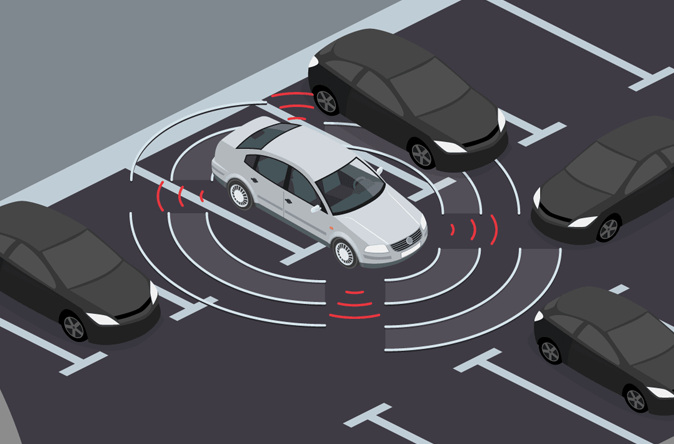
Car reverse sensors emit ultrasonic waves that bounce off nearby objects. The system measures the time it takes for the waves to return, calculating the distance between the vehicle and the obstacle.
As the vehicle gets closer to an object, the parking assistance system increases the frequency of alerts. This helps drivers react quickly and avoid collisions.
Advanced systems also include visual displays that show the exact distance and direction of obstacles, enhancing vehicle obstacle detection.
Key Benefits of Vehicle Parking Sensors
1. Improved Safety
The primary benefit of vehicle parking sensors is enhanced safety. By providing real-time alerts, they help drivers avoid:
- Collisions with other vehicles
- Damage to walls, poles, or barriers
- Accidents involving pedestrians or pets
Effective vehicle obstacle detection reduces the risk of accidents and ensures safer parking in all environments.
2. Easier Parking in Tight Spaces
Parking in confined areas can be challenging. A parking assistance system simplifies the process by guiding the driver with precise alerts. This is especially useful in urban areas where parking space is limited.
3. Reduced Vehicle Damage
Minor parking accidents can lead to costly repairs. Car reverse sensors minimise these risks by alerting drivers before contact occurs, protecting bumpers, paintwork, and surrounding objects.
4. Increased Driver Confidence
For new drivers or those uncomfortable with parking, vehicle parking sensors provide reassurance and confidence. The system acts as an extra set of eyes, making parking less stressful.
5. Enhanced Convenience
With automatic activation and real-time alerts, a parking assistance system requires minimal effort from the driver. It works seamlessly in the background, improving overall driving convenience.
6. Better Vehicle Value
Vehicles equipped with vehicle parking sensors are often more attractive to buyers. Installing a reliable system can increase resale value and appeal.
Types of Parking Assistance Systems
1. Rear Parking Sensors
These car reverse sensors activate when the vehicle is in reverse gear, providing alerts for obstacles behind the car.
2. Front Parking Sensors
Front sensors assist when manoeuvring in tight spaces, such as parking head-in or navigating through narrow areas.
3. Full Parking Assistance Systems
A complete parking assistance system includes both front and rear sensors, offering 360-degree vehicle obstacle detection.
4. Visual Display Systems
Some systems include screens that display the distance and position of obstacles, providing additional clarity for drivers.
Features to Look for in Vehicle Parking Sensors
When choosing vehicle parking sensors, consider the following features:
- Accurate Vehicle Obstacle Detection: High sensitivity for precise alerts
- Audio and Visual Alerts: Clear warnings to guide the driver
- Weather Resistance: Durable sensors that function in all conditions
- Seamless Integration: Compatibility with your vehicle’s design
- Adjustable Sensitivity: Customisable settings for different driving environments
These features ensure reliable performance and maximum convenience.
Parking Sensor Installation Guide
Proper parking sensor installation is crucial for optimal performance. Here’s what to expect:
1. Sensor Placement
Sensors are installed evenly across the bumper to ensure complete vehicle obstacle detection. Correct spacing is essential for accurate readings.
2. Drilling and Mounting
Small holes are drilled into the bumper to fit the sensors securely. Professional installation ensures a clean and precise finish.
3. Wiring and Connection
Sensors are connected to the vehicle’s electrical system and control unit. Proper wiring ensures reliable operation of the parking assistance system.
4. System Calibration
After installation, the system is calibrated to ensure accurate distance measurement and alert timing.
5. Testing
The installer tests the system to verify that the car reverse sensors and alerts function correctly.
Professional Installation Recommended
While DIY kits are available, professional parking sensor installation, such as services offered by Venom Autos, ensures proper setup, accuracy, and long-term reliability.
Complementary Vehicle Safety Systems
To maximise safety, vehicle parking sensors can be combined with other technologies:
- Dash Cams: Record parking incidents and provide evidence
- GPS Trackers: Monitor vehicle location and movement
- Rearview Cameras: Provide visual assistance alongside sensor alerts
- Alarm Systems: Enhance overall vehicle security
This integrated approach ensures comprehensive safety and protection.
Long-Term Benefits of Vehicle Parking Sensors
Investing in vehicle parking sensors offers several long-term advantages:
- Reduced risk of accidents and vehicle damage
- Improved parking efficiency and convenience
- Enhanced driver confidence and safety
- Increased vehicle value and appeal
- Reliable vehicle obstacle detection for everyday driving
These benefits make car reverse sensors an essential addition to any vehicle.
Why Choose a Parking Assistance System?
A modern parking assistance system combines technology, convenience, and safety. Whether you are driving in busy urban areas or parking in tight spaces, these systems provide the support needed to avoid accidents and improve driving confidence.
With accurate vehicle obstacle detection and user-friendly alerts, vehicle parking sensors are a practical investment for drivers of all experience levels.
Conclusion
Vehicle parking sensors are an essential tool for safer and easier parking. By using advanced car reverse sensors and a reliable parking assistance system, drivers can navigate tight spaces, avoid collisions, and protect their vehicles from damage.
With proper parking sensor installation and integration with other safety features, these systems provide long-term value, convenience, and peace of mind. Whether for personal use or fleet vehicles, vehicle parking sensors are a smart investment in modern vehicle safety and driving comfort.