

Introduction
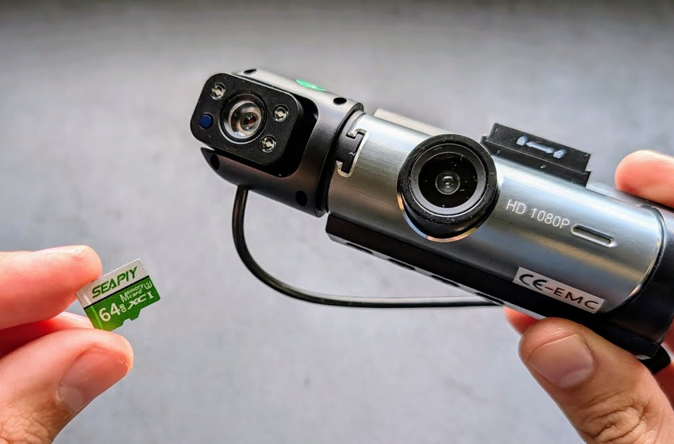
A dash cam is only as effective as the storage that supports it. Modern dash cams record high-resolution footage, often in 4K or 2K, generating large amounts of data every day. To ensure uninterrupted recording and secure storage of important videos, a 128GB MicroSD card for dash cams is an ideal choice.
In this guide, we explore why this storage option is recommended, its benefits, compatibility considerations, and practical tips for managing dash cam footage effectively.
Why Storage Capacity Matters
High-resolution dash cams produce large video files. For instance, a single hour of 4K video can consume several gigabytes of storage. Without sufficient capacity, older footage may be overwritten too quickly, leaving gaps in recording.
A 128GB MicroSD card allows for extended recording, ensuring that critical incidents are captured and retained. This capacity is particularly useful for:
- Long road trips or extended vehicle use
- Fleet vehicles with continuous monitoring
- High-value cars where security and evidence retention are essential
By using the right memory card, vehicle owners and fleet operators can have confidence that important footage is safe and accessible when needed.
Key Benefits of a 128GB MicroSD Card for Dash Cams
1. Extended Recording Time
A 128GB MicroSD card can store hours of high-resolution video. Depending on the dash cam’s resolution and compression settings:
- 1080p recording can store approximately 30–40 hours of footage
- 2K recording can store around 20–25 hours
- 4K recording can store 10–15 hours
This extended recording capacity ensures continuous coverage without the need for constant monitoring or manual file management.
2. Reliable Performance
High-quality MicroSD cards designed for dash cams offer reliable read/write speeds. This ensures that footage is recorded smoothly without skipping frames or data corruption. Look for dash cam compatible MicroSD cards rated as Class 10 or UHS-I/UHS-II for optimal performance.
3. Automatic Loop Recording Support
Most dash cams use loop recording to overwrite old footage automatically. A 128GB MicroSD card allows more loops before older files are replaced, ensuring critical events are retained for longer periods. This is particularly important in situations where incidents may not be reviewed immediately.
4. Incident Evidence Storage
Dash cam footage serves as legal or insurance evidence during accidents, theft, or disputes. High-capacity storage ensures that all relevant incidents are saved without the risk of being overwritten too quickly, providing peace of mind for vehicle owners and fleet managers.
5. Compatibility with High-Resolution Cameras
Modern dash cams record in high resolutions such as 2K or 4K. Standard, low-capacity memory cards may not support continuous high-resolution recording. A 128GB MicroSD card ensures that your dash cam performs optimally without interruptions.
6. Fleet Management Efficiency
For businesses managing multiple vehicles, using 128GB MicroSD cards ensures that each vehicle can continuously record without frequent maintenance. This is crucial for fleet monitoring, driver accountability, and incident documentation.
Features to Look for in a Dash Cam MicroSD Card
When selecting a 128GB MicroSD card for dash cams, consider the following features:
High Write Speed
A minimum write speed of 30MB/s is recommended to handle continuous high-resolution video recording.
Durable and Reliable
Dash cam MicroSD cards should be heat-resistant, shockproof, and waterproof to withstand automotive conditions such as high cabin temperatures or vibrations.
Compatibility with Dash Cams
Check manufacturer recommendations to ensure the card is compatible with your dash cam model, especially for 4K or 2K cameras.
Error Correction and File Protection
High-quality MicroSD cards often include error correction and file protection technology to reduce the risk of data corruption during recording.
Tips for Managing Dash Cam Footage
1. Regularly Back Up Footage
Even with high-capacity cards, important videos should be backed up regularly to external drives, cloud storage, or computer systems.
2. Format the Card Periodically
Formatting your MicroSD card every few weeks or months ensures optimal performance and prevents file corruption.
3. Monitor Storage Usage
Use your dash cam app or device dashboard to monitor available storage and manage old footage, especially during long trips.
4. Use Multiple Cards if Needed
For heavy usage or multiple dash cams, consider using multiple 128GB MicroSD cards. This allows easy swapping and ensures continuous recording without interruption.
Installation Tips for Dash Cam MicroSD Cards
Installing a 128GB MicroSD card is straightforward:
- Power Off Dash Cam: Ensure the dash cam is powered off before inserting the card.
- Insert Card Properly: Follow the manufacturer’s instructions to insert the MicroSD card in the correct orientation.
- Format Card: Format the card using the dash cam’s menu or app to ensure compatibility.
- Test Recording: Record a short video to confirm that the dash cam is recording correctly to the new card.
Proper installation and setup maximize performance and longevity of both the dash cam and the memory card.
Complementary Security Measures
A 128GB MicroSD card works best when integrated into a broader vehicle security system:
- GPS trackers: Monitor real-time vehicle location alongside video evidence.
- Immobilisers: Add protection against unauthorised vehicle use.
- Dual Dash Cams: Combine front and rear cameras to capture all angles of driving incidents.
- Cloud Backup Services: Safely store footage for extended periods without relying solely on the MicroSD card.
Combining these measures ensures comprehensive vehicle protection and data management.
Long-Term Benefits
Investing in a 128GB MicroSD card for your dash cam offers:
- Reliable storage for high-resolution footage
- Extended recording time without frequent intervention
- Enhanced evidence collection for accidents and theft
- Reduced risk of lost or corrupted data
- Simplified fleet or personal vehicle management
By pairing a high-capacity MicroSD card with a reliable dash cam, drivers gain peace of mind, security, and convenience.
Conclusion
A 128GB MicroSD card for dash cams is essential for anyone using a high-resolution vehicle camera. It provides ample storage, ensures smooth recording, and supports features like loop recording, parking mode, and motion detection.
For personal drivers, high-capacity cards ensure that critical incidents are captured and preserved. For fleet operators, they allow continuous monitoring, accountability, and efficient data management. By investing in a 128GB MicroSD card and integrating it with complementary security systems, vehicle owners can maximise the effectiveness of their dash cams and enjoy long-term security and peace of mind.